
The 2025 Kia Sorento remains one of the most sensible choices in the three-row midsize SUV segment, combining family-minded practicality with a modern design, a broad powertrain lineup, and a cabin that’s both comfortable and well equipped. For 2025 Kia continues to refine the Sorento’s formula: incremental styling updates, smarter packaging, expanded electrified options, and strengthened technology and safety features. The result is an SUV that tries to satisfy multiple buyer types — families needing space and towing capacity, couples seeking comfort and gadgetry, and environmentally minded drivers looking at hybrid or plug-in alternatives — without making major compromises.
This review examines the 2025 Sorento in depth: what’s new, exterior and interior design, seating and cargo practicality, powertrain choices and driving impressions, towing and utility, tech and infotainment, safety and driver assistance, trims and value, ownership costs, and final recommendations.
What’s New for 2025
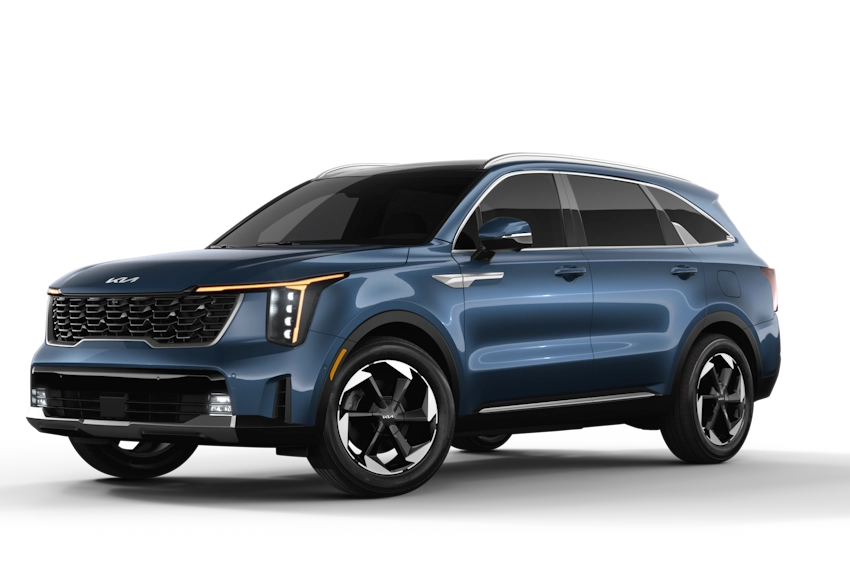
Rather than a complete redesign, the 2025 Sorento receives a focused set of updates that improve refinement and broaden appeal. Key changes include refreshed front and rear styling to align with Kia’s current family face, improved interior materials and trim choices across mid and upper levels, expanded electrified powertrain availability in more markets, and additional standard or optional driver assistance features. Kia has also continued to refine infotainment and connectivity — faster interfaces, more seamless smartphone integration, and updated digital displays — making the Sorento feel more contemporary against a competitive field.
These updates help the Sorento remain competitive with rivals while keeping costs and complexity in check for buyers who want tangible improvements rather than a full generational leap.
Exterior Design
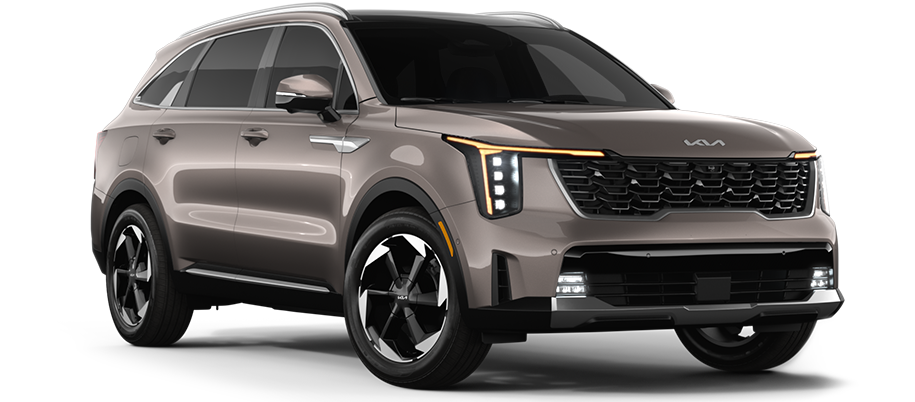
The Sorento’s exterior balances conservative proportions with a refined, slightly sporty character. For 2025, the front fascia gains a more sculpted grille treatment, integrated lighting elements, and cleaner bumper lines that modernize the face without alienating buyers who prefer an understated look. Side profiles are elongated but well balanced, with a gently rising beltline and neatly integrated wheel arches that lend a composed presence.
At the rear, taillight graphics are updated to create a wider visual footprint, and modest bumper adjustments improve perceived solidity. Wheel designs across the range are contemporary and functional; larger-diameter wheels available on higher trims emphasize a more athletic stance but can compromise ride comfort slightly. Overall, the Sorento’s styling for 2025 prioritizes broad appeal: it is modern and confident, but not polarizing.
Interior: Layout, Materials, and Comfort
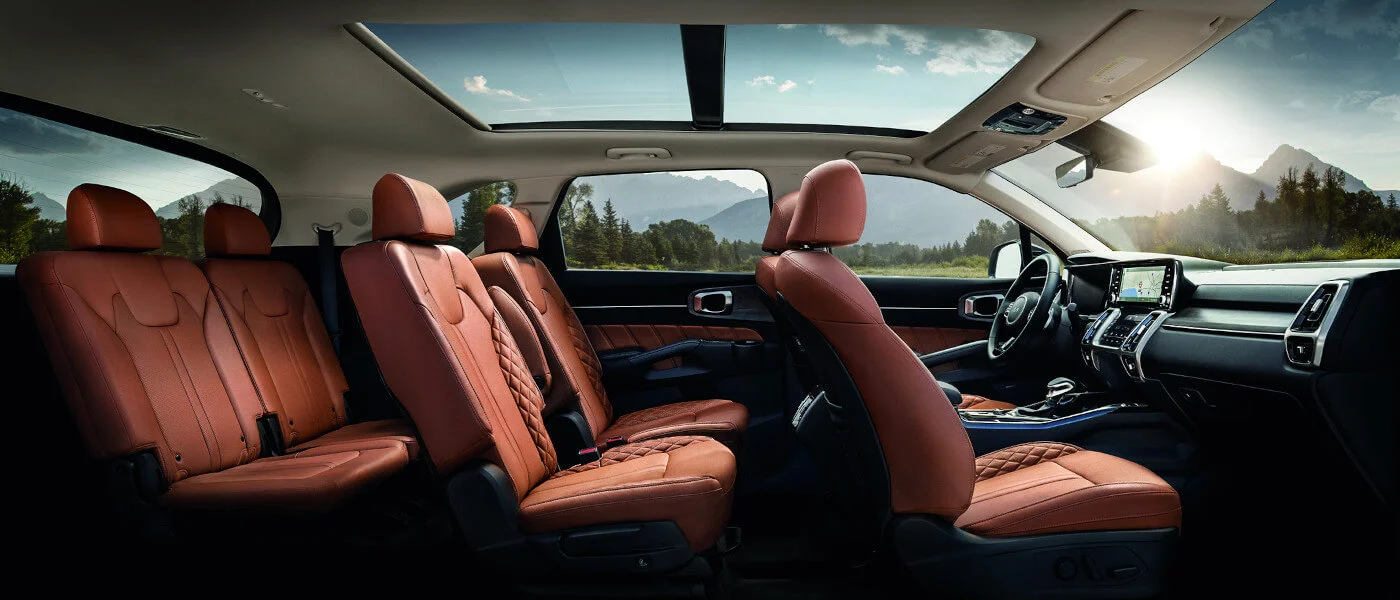
One of the Sorento’s strongest assets is its interior packaging. The 2025 cabin continues this tradition with comfortable seating, sensible ergonomics, and improved materials in areas that matter most to occupants.
Seating & Space
The Sorento is a true family vehicle: it offers three rows of seating with decent adult accommodation in the second row and best-in-class usability in the third row for children and shorter adults. Second-row seats slide and recline in many configurations, improving long-distance comfort and access to the third row. Entry and exit are straightforward thanks to a useful door opening angle and well-placed grab handles.
Front seats are supportive with ample bolstering for long drives; heating and ventilation are available on higher trims. Headroom and legroom are generous in the first two rows, while the third row is best suited for shorter passengers or occasional use. Overall passenger comfort is a standout for family-oriented buyers.
Materials and Build Quality
Kia has continued to upgrade the Sorento’s interior material palette for 2025. Soft-touch surfaces appear in more places, and contrast stitching or subtle trim finishes are available on mid- and top-level models. Lower trims still use durable plastics in high-wear locations, which is appropriate for family use and keeps prices reasonable. Fit and finish are generally solid across the line; assembly tolerances are tight and tactile controls feel durable.
Practical Storage
Practical storage is plentiful: sizeable door bins, a well-sized glovebox, an accessible center console, and concealed storage compartments that make it easy to stow small daily items. When the third row is folded, the Sorento offers cargo space that handles groceries, luggage for a family trip, and bulky items with relative ease. Cargo floor height and the tailgate opening are convenient for loading.
Powertrains and Driving Impressions
A notable strength of the Sorento is its varied powertrain lineup. For 2025 Kia continues to offer multiple options: a naturally aspirated four-cylinder for budget-conscious buyers, a turbocharged unit for those wanting more passing power, a hybrid system for efficiency, and a plug-in hybrid (PHEV) for drivers wanting significant electric-only range for daily driving. This breadth of choices allows buyers to prioritize the attributes they value most.
Base Gasoline Engine
The base engine provides adequate everyday performance and is tuned for smoothness and fuel economy in city driving. It’s the pragmatic choice for buyers who prioritize value over outright performance. Transmission tuning is refined to minimize hunting and provide steady acceleration from stoplights.
Turbocharged Option
For a more spirited driving experience, the turbocharged engine gives the Sorento sharp mid-range acceleration and greater confidence when overtaking. The turbo model pairs well with highway driving and towing duties, offering a meaningful boost in responsiveness. Transmission response and shift quality are generally good, with smooth upshifts and prompt downshifts when power is demanded.
Hybrid and Plug-In Hybrid
The hybrid variant blends an electric motor with the gasoline engine to deliver markedly improved fuel economy and a quieter driving experience in city conditions. The hybrid’s low-speed torque and regenerative braking system smooth stop-and-go driving and improve real-world efficiency during commutes.
The plug-in hybrid is the premium eco-friendly choice. It offers a significant electric-only range that can cover many daily commutes without using gasoline, and when the battery depletes the gasoline engine takes over seamlessly. The PHEV’s blended power delivery is smooth, and it typically maintains competitive acceleration while reducing fuel costs for drivers who charge regularly.
All-Wheel Drive and Handling
All-wheel-drive (AWD) is available across much of the range and enhances traction in adverse weather and light off-pavement scenarios. AWD systems used in the Sorento balance fuel economy and traction intelligently, engaging the second axle as conditions require.
Ride tuning favors comfort: the Sorento absorbs bumps and road imperfections with confidence, minimizing cabin disturbance. Body control is competent but not sporty; the Sorento is designed to be stable and predictable rather than corner-carving. Steering feedback is light and well suited to suburban driving and parking, though drivers preferring a more engaging feel may notice that the Sorento skews toward ease of use over dynamic thrill.
Towing and Utility
For buyers who need to tow, the Sorento is capable for its class. Towing capacity depends on the engine and drivetrain selection, with turbocharged and some AWD configurations offering the highest towing ratings. Tow-ready features such as trailer sway control and available wiring harnesses make the Sorento practical for hauling small trailers, boats, or campers for weekend adventures. Always consult tow ratings for your specific trim and equipment to match expected towing needs.
Infotainment and Connectivity
Kia’s infotainment systems for 2025 are competitive and user-friendly. The center stack typically features a touchscreen sized to the trim level — larger displays are standard on higher models — and interfaces that integrate smartphone mirroring via Apple CarPlay and Android Auto. Response times are improved, and physical controls remain for common functions, which reduces driver distraction.
Higher trims may include a digital instrument cluster with configurable displays, in-car Wi-Fi, wireless phone charging, a premium audio system, and connected services that provide remote vehicle management and live navigation updates. The infotainment software is logical in layout and straightforward for most users, though advanced menus can require a short learning curve.
Safety and Driver Assistance
Kia continues to equip the Sorento with a comprehensive suite of active safety and driver-assistance features. Standard and available systems include forward collision mitigation with pedestrian detection, lane-keeping assist, blind-spot monitoring with rear cross-traffic alert, adaptive cruise control with stop-and-go capability, and driver attention monitoring. Higher trims add parking assistance technologies and surround-view camera systems that make maneuvering in tight spaces easier.
The Sorento’s safety architecture — a blend of high-strength structural elements and modern airbags — is engineered to protect occupants in common collision scenarios. These systems contribute to confidence for families and daily drivers alike.
Trims, Pricing, and Value
The Sorento’s trim ladder is designed to meet varied buyer needs. Base trims emphasize value with essentials covered; mid-range trims add convenience and comfort features that most families want; top trims bring luxury appointments, advanced driver-assistance tech, and hybrid or PHEV drivetrains. Pricing is competitive with the midsize three-row segment and typically represents strong equipment levels for the money.
Kia’s warranty and ownership programs add to the long-term value proposition. Warranty coverage and available maintenance packages can reduce ownership anxiety and cost, making the Sorento a smart choice for budget-conscious buyers who still want a well-appointed vehicle.
Ownership Costs and Reliability
Kia has steadily improved its reputation for reliability, and the Sorento benefits from reasonable projected ownership costs. Fuel economy varies widely depending on the chosen powertrain — hybrids and plug-in hybrids deliver the best running costs for urban and mixed driving cycles, while the turbo gasoline engine costs more in fuel but offers stronger performance.
Routine maintenance items are comparable to rivals in the segment. For buyers seeking lower long-term costs, the hybrid and PHEV choices reduce fuel spend and benefit drivers who can access home charging regularly.
Pros and Cons
Pros
Versatile powertrain choices including hybrid and plug-in hybrid options
Comfortable and spacious interior with practical storage solutions
Strong value for features and equipment across trims
Competitive towing capability for its class
Robust safety and driver-assistance offerings
Cons
Third row best for occasional use rather than long adult trips
Heavier trims and larger wheels can slightly blunt fuel economy and ride refinement
Not the most dynamic handler in the segment; prioritizes comfort over sportiness
Final Verdict
The 2025 Kia Sorento succeeds as a well-rounded, family-focused midsize SUV that thoughtfully balances comfort, technology, and efficiency. Its strongest appeal is the flexibility it offers: buyers can tailor a Sorento to be an economical daily commuter with hybrid efficiency, a near-electric commuter with a plug-in hybrid, or a capable family hauler with a turbocharged engine and towing ability.
While not the most thrilling vehicle to drive, the Sorento is deliberately comfortable, practical, and user-friendly. For families, couples, or solo drivers who value interior space, safety features, modern connectivity, and sensible running costs, the 2025 Sorento is an excellent proposition. Its refined updates for the model year keep it fresh in a crowded field and ensure it remains a top contender for anyone shopping for a dependable, well-equipped three-row SUV.
If you’d like, I can now provide: a 55-character SEO title and 155-character meta description for this review, a trim-by-trim comparison, or a head-to-head matchup with competitors such as the Toyota Highlander or Hyundai Santa Fe. Which would you like next?